
Some thoughts on Alien: Earth and Biology
Nature invented it

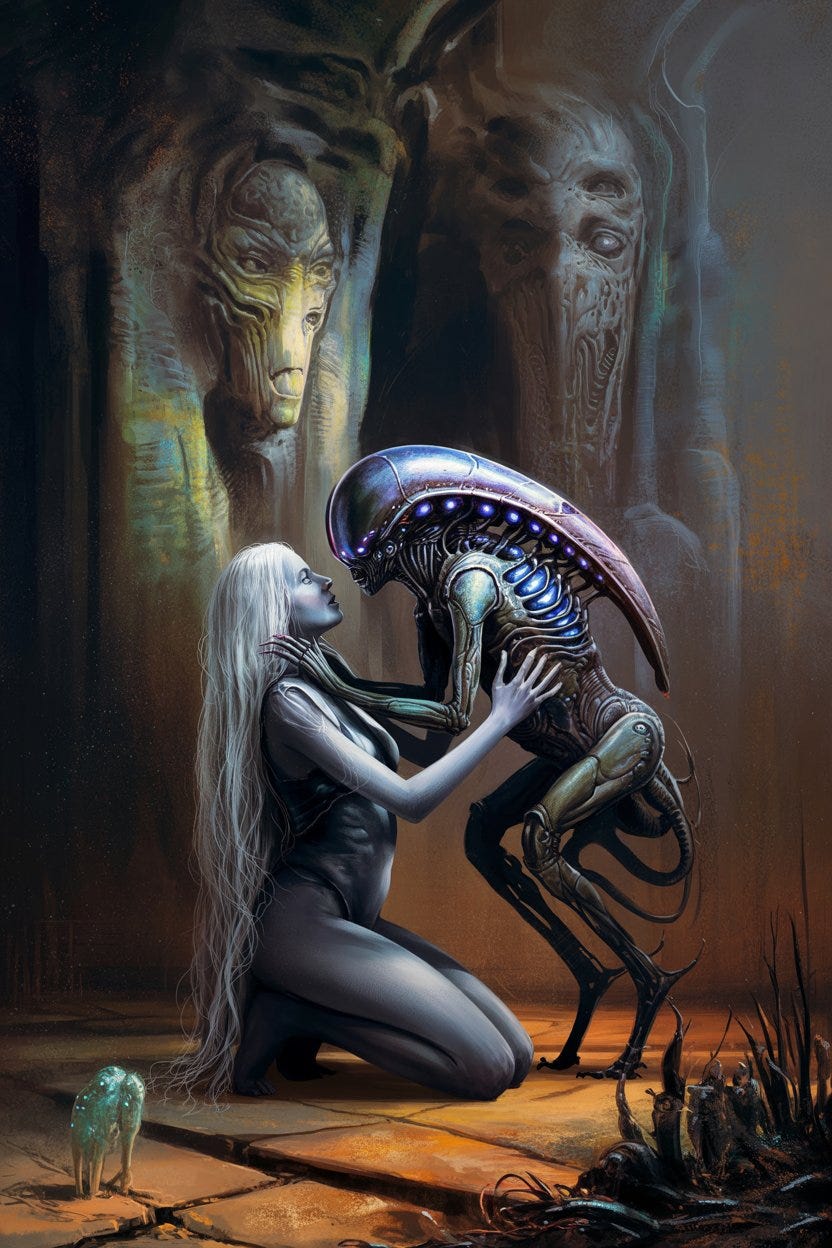
The series introduces a variety of alien creatures. Prominently features an eyeball with tentacles which is parasitic, it inserts itself into the ocular cavity of other creatures. This process leads to the death of the host.
From a biological view this is unlikely, most parasites are highly specialized, they can only survive in a very limited range of host animals. Creatures from other worlds are unlikely to be able to successfully parasite anything on earth.
Even more unlikely is the parasite wanting a dead host. In parasitic relationships the parasite lives off the host, it may drink it's blood or take nutrition from the host’s digestive system. The parasite manipulates the host with hormon-like substances or neurotransmitters. This requires specialisation and adaption.
It would make more sense to infect the eye of a living creature as tadpole, egg, spore etc, the parasite could then feed off the eye while growing, merge with the host’s system, grow into the optical nerve and ultimately access the brain of the host. This would give the parasite control of the body.
A dead body will decompose, it will not react to hormones or electrical impulses. It won't provide warmth and continued nutrition, it will be consumed by various bacteria and insects. The parasite would have to move soon. Parasites generally kill a host only when they finish a life stage and need to move.
Another feature is the communication of a synthetic person with a xenomorph.
This is more realistic. While a synthetic person looks human to humans, an eyeless creature like the xenomorph might perceive a synthetic as something very different from humans. It will not appear as prey, so it could be seen as a kindred. This applies even more in the case of a xenomorph just hatched, many animals will accept anything they perceive in their early life as “sibling” or "mother".
The parasitic nature of the xenomorphs is nothing unusual. It's quite common among insects. If you have clothing moths in your home, you can order tiny parasitic wasps called Trichogramma, they will lay their eggs into the moth eggs, and instead of moth larvae, wasps will emerge. There's a huge variety of parasitic wasps.
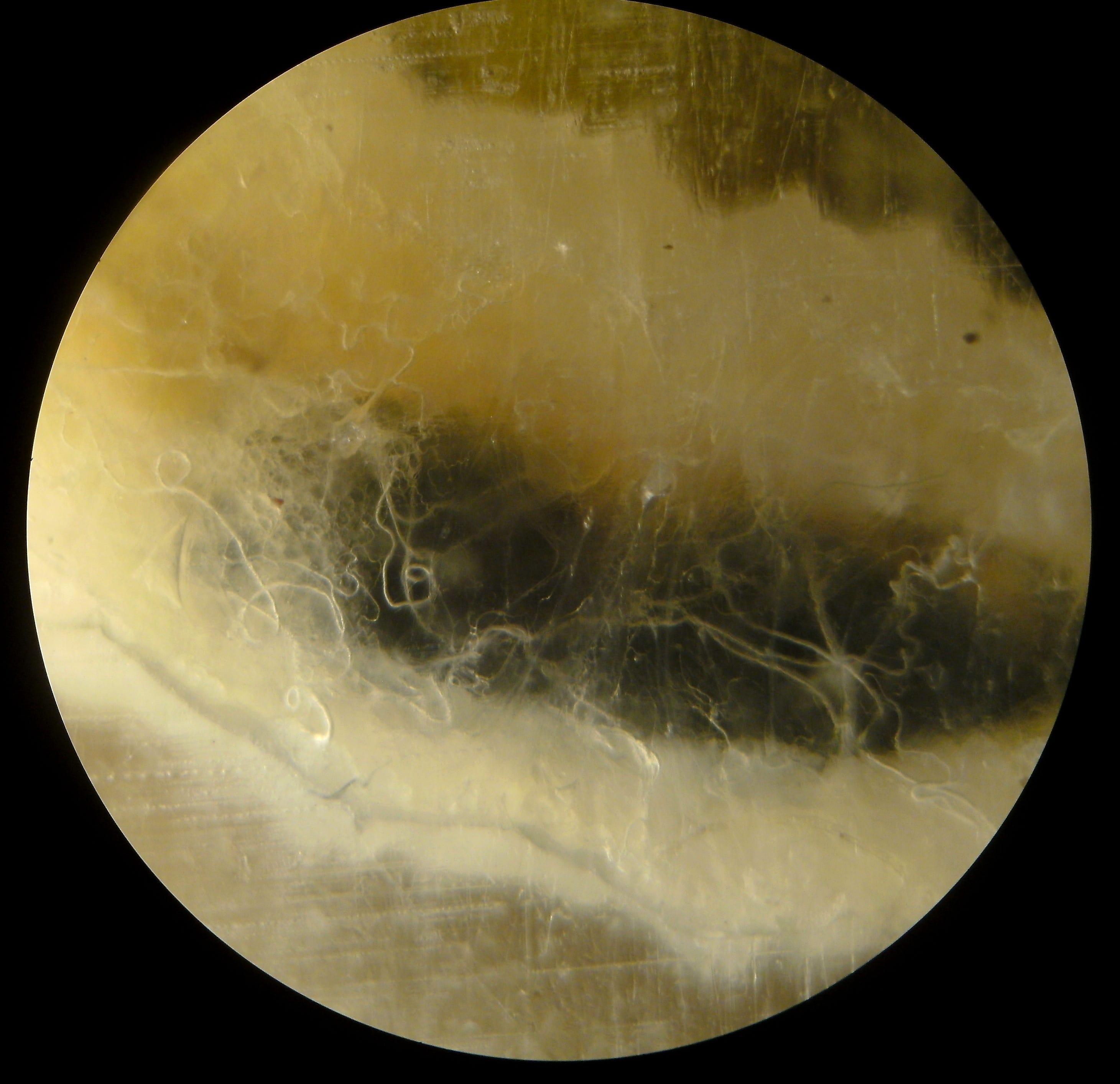
I found this small larva in the image below and kept it to see what will emerge, well a small wasp did. The larva had a parasite eating it from the inside. I had taken microphotographies of it, one show's something black inside it's body. Maybe the parasite.
Other wasps lay their eggs into larvae or adults. But nature is even weirder.
Some parasitic wasps inject a virus into the host together with an egg, to stop immune attacks on their offspring and to change the host's physiology, to make it more comfy for the parasite. The wasps inherit the virus. It's integrated into their genome. Parasitism and an infection. The black goo in the Alien franchise could be something similar. A very potent virus to change the hosts.
Charles Darwin observed the Ichneumonid wasps and their parasitic nature, it let him to question the existence of a creator. In a letter he wrote: …“I cannot persuade myself that a beneficent & omnipotent God would have designedly created the Ichneumonidæ with the express intention of their feeding within the living bodies of caterpillars”…(Letter 2814 — Darwin, C. R. to Gray, Asa, 22 May [1860])